Exploring the Potential of 3D Printed Models: Unlocking New 3d Model Applications
- Max
- Jan 28
- 3 min read
The world of tabletop gaming is evolving fast. One of the biggest game changers is the rise of 3D printing technology. It allows us to create detailed miniatures and models with precision and speed. This technology opens up exciting possibilities for collectors, painters, and players alike. In this post, I will explore how 3D printed models are transforming the hobby and what new 3d model applications are emerging.
Understanding 3d Model Applications in Tabletop Gaming
3D printing lets us bring ideas to life in ways that were once impossible or too expensive. For tabletop enthusiasts, this means access to unique miniatures that fit specific themes or campaigns. The ability to customise models is a huge advantage. You can design or choose miniatures that match your vision perfectly.
Some popular 3d model applications include:
Custom miniatures: Create characters or creatures that do not exist in commercial sets.
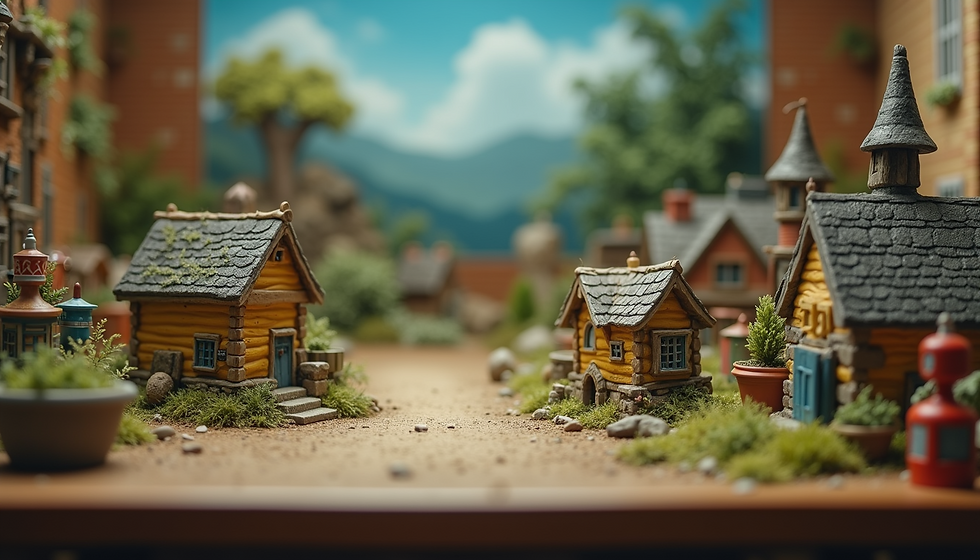
Terrain pieces: Build detailed landscapes, buildings, and scenery to enhance gameplay.
Replacement parts: Fix broken or missing pieces without waiting for new sets.
Prototypes: Test new designs before mass production.
These applications help players personalise their gaming experience and expand their collections with rare or exclusive items.

Benefits of Using 3d Model Applications for Collectors and Painters
Collectors and painters gain many benefits from 3d model applications. The precision of 3D printing means models have sharp details and smooth surfaces. This quality makes painting easier and more enjoyable. You can highlight intricate features and bring your miniatures to life with vibrant colours.
Collectors appreciate the variety and exclusivity. Limited edition or one-of-a-kind models become possible. This uniqueness adds value and excitement to collections.
Here are some key benefits:
High detail and accuracy: Perfect for painting fine details.
Customisation options: Tailor models to your style or theme.
Cost-effective: Often cheaper than buying rare or imported miniatures.
Fast production: Get new models quickly without long shipping times.
These advantages make 3d model applications a valuable tool for anyone serious about their tabletop hobby.
How 3D Printed Models Enhance Gameplay and Community Building
Using 3d printed models can transform how you play and connect with others. Custom miniatures and terrain create immersive game settings. Players feel more engaged when the visuals match the story and strategy.
Community events and tournaments benefit too. Unique models spark conversations and inspire creativity. Sharing designs or printing tips helps build a strong network of enthusiasts.
For example, you might:
Design exclusive miniatures for your gaming group.
Host painting contests featuring 3D printed models.
Exchange terrain pieces to diversify game boards.
Collaborate on large-scale projects using shared 3d model applications.
These activities foster camaraderie and keep the hobby fresh and exciting.

Practical Tips for Getting Started with 3d Model Applications
If you want to explore 3d model applications, here are some practical steps to begin:
Choose the right printer: Look for a printer that offers good resolution and reliability. Resin printers are popular for miniatures due to their fine detail.
Find or create models: Use online repositories or design your own using 3D modelling software.
Prepare your files: Ensure models are properly scaled and supported for printing.
Post-process prints: Clean, cure, and sand your models to achieve the best finish.
Paint and assemble: Use quality paints and brushes to bring your miniatures to life.
Start small and experiment with different designs and techniques. Join online forums or local groups to learn from experienced users. Over time, you will develop skills and discover new 3d model applications that suit your style.
Future Trends in 3d Model Applications for Tabletop Gaming
The future of 3d model applications looks bright. Advances in printing technology will improve speed, detail, and material options. This progress will make custom miniatures even more accessible and affordable.
We can expect:
More interactive models: Incorporating electronics or modular parts.
Expanded material choices: Flexible, transparent, or textured prints.
Better software tools: Easier design and customisation processes.
Community-driven content: More shared designs and collaborative projects.
These trends will continue to enrich the tabletop gaming experience. They will help build a vibrant community where creativity and passion thrive.
Exploring the potential of 3d printed models is an exciting journey. Whether you collect, paint, or play, embracing this technology opens up endless possibilities. It allows you to personalise your hobby, connect with others, and enjoy tabletop gaming like never before.


Comments